
Ophthalmic Pharmaceuticals
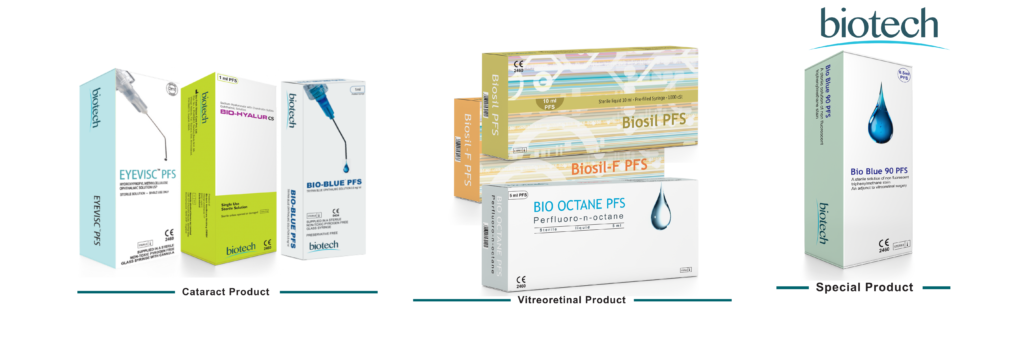
Cataract Product Range
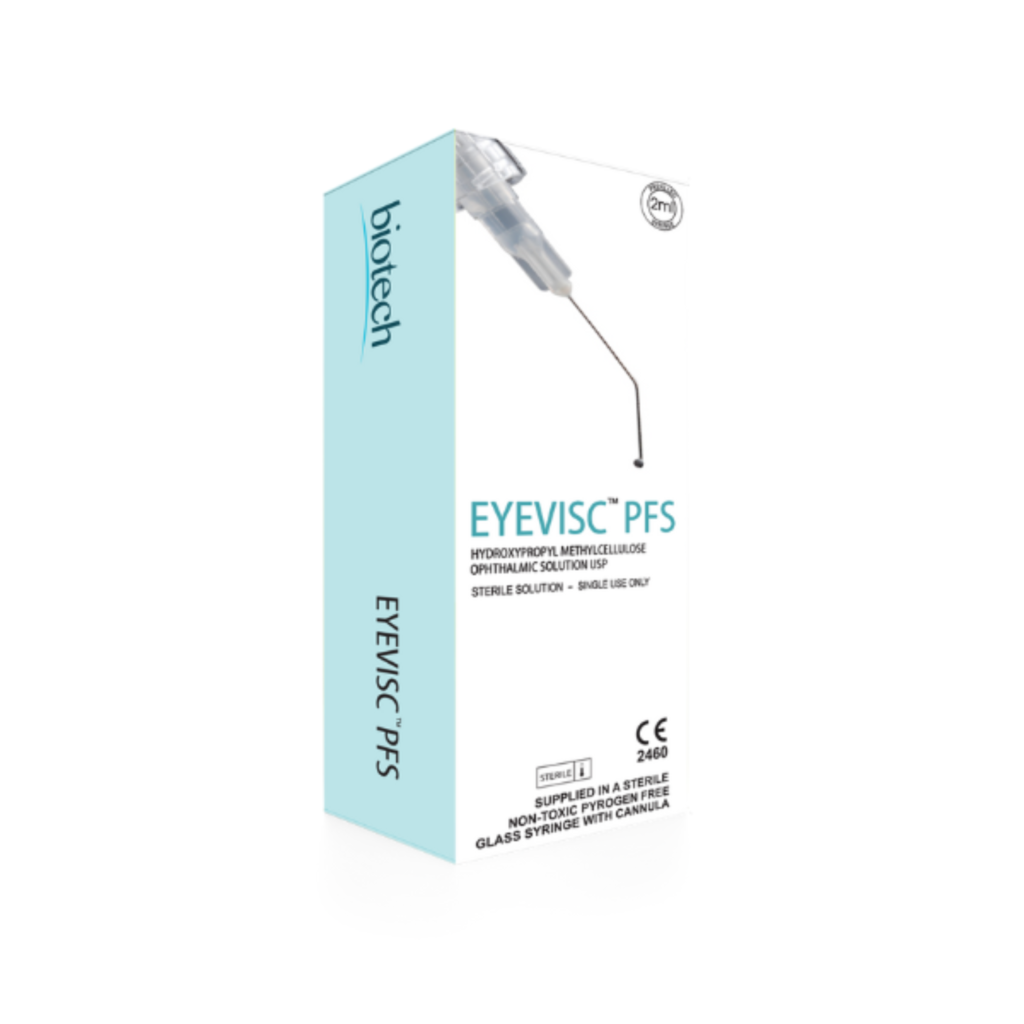
EYEVISC – HPMC 2%
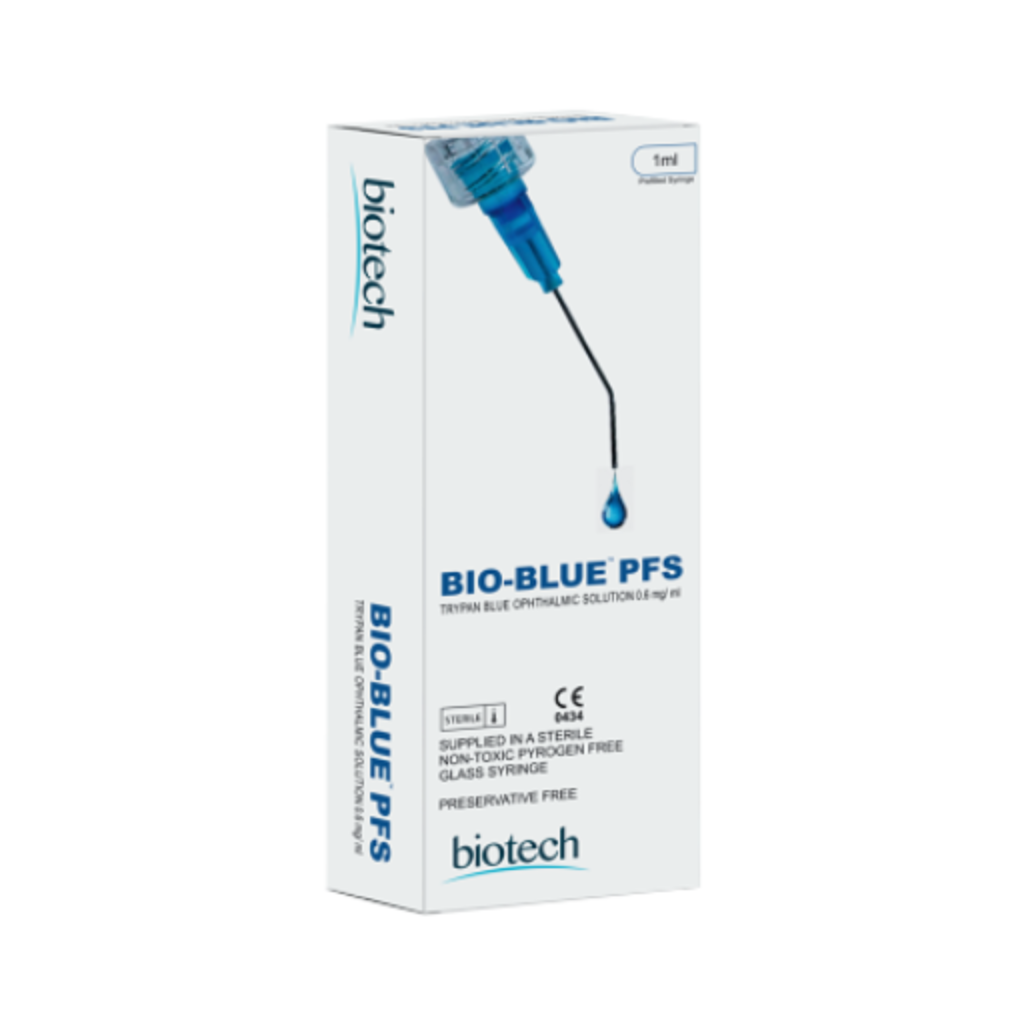
BIOBLUE-TRYPAN BLUE
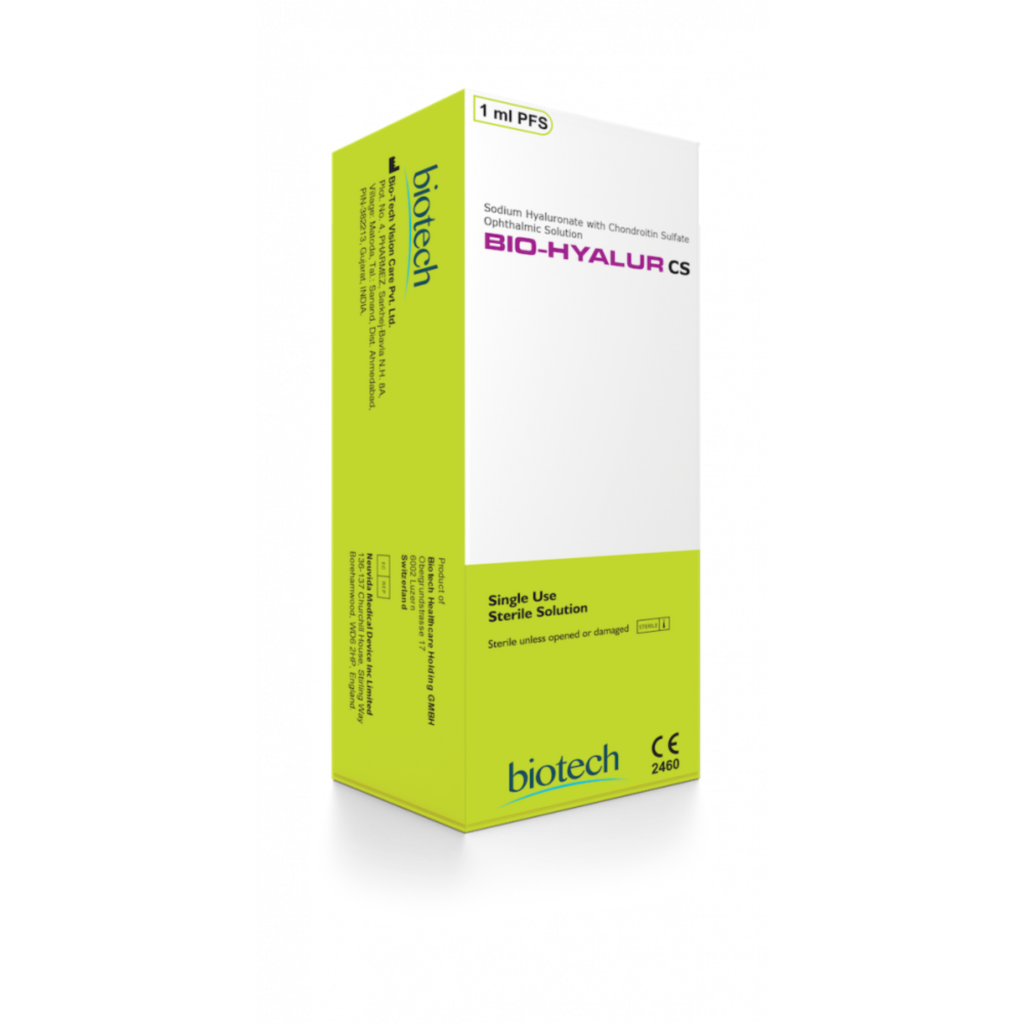
BIO-HYALUR CS
Vitreo-Retinal Product Range
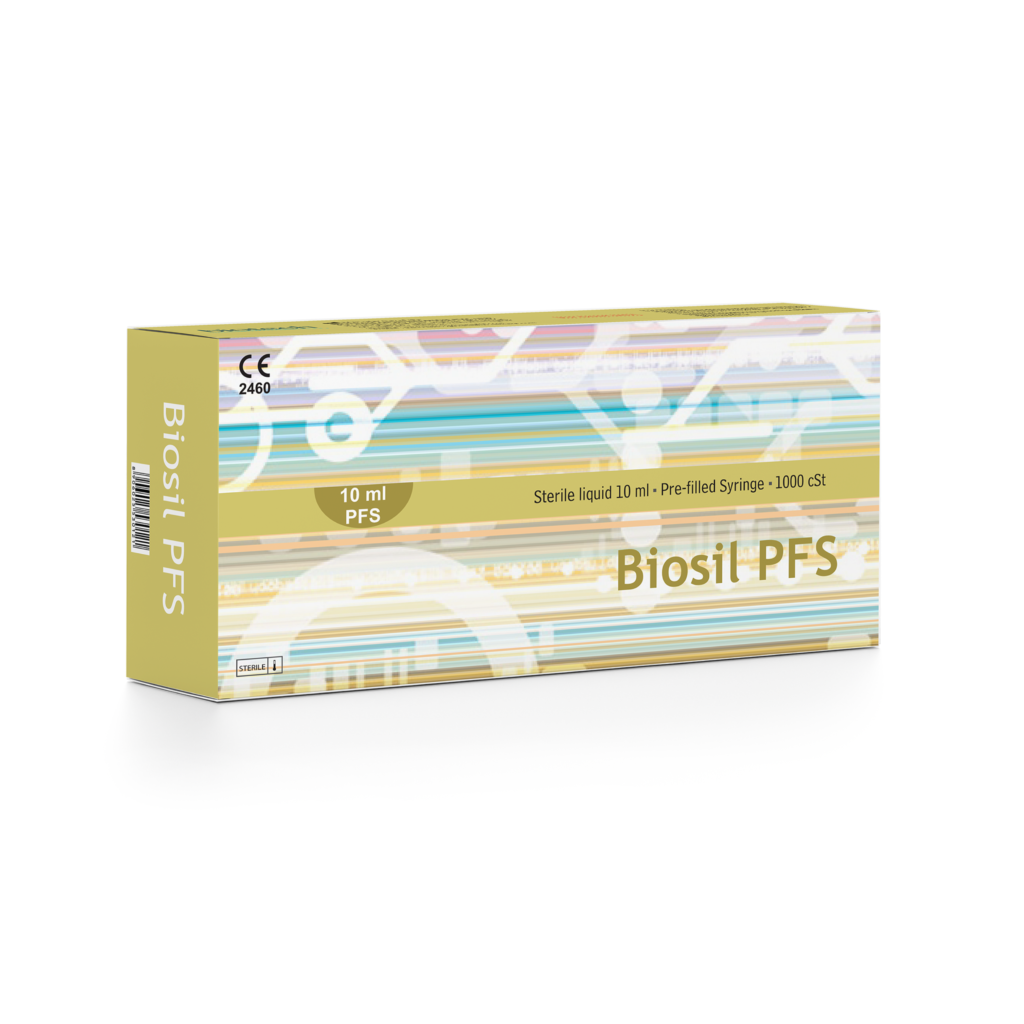
BIOSIL-SILICONE OIL 1000CST
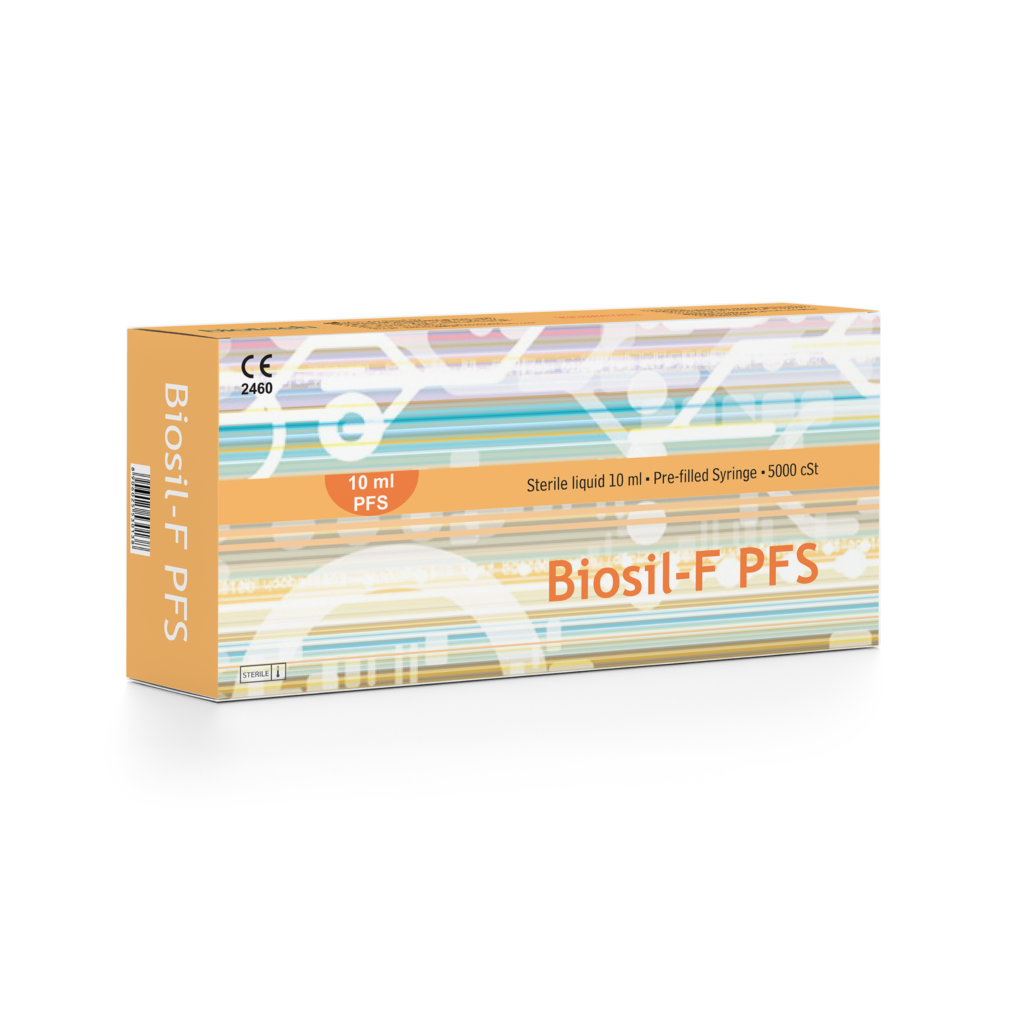
BIOSIL F-SILICONE OIL 5000CST
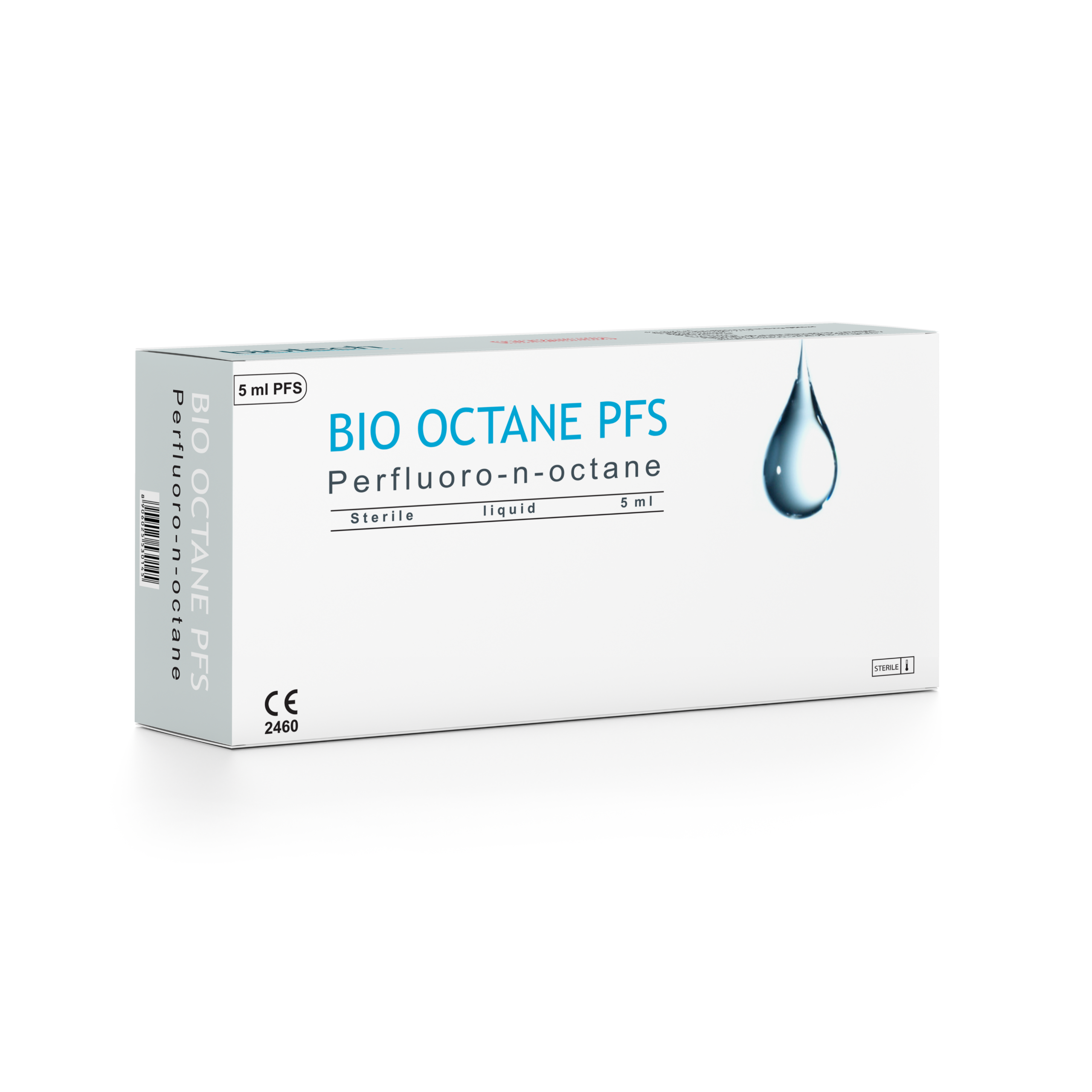
BIOOCTANE-PFCL
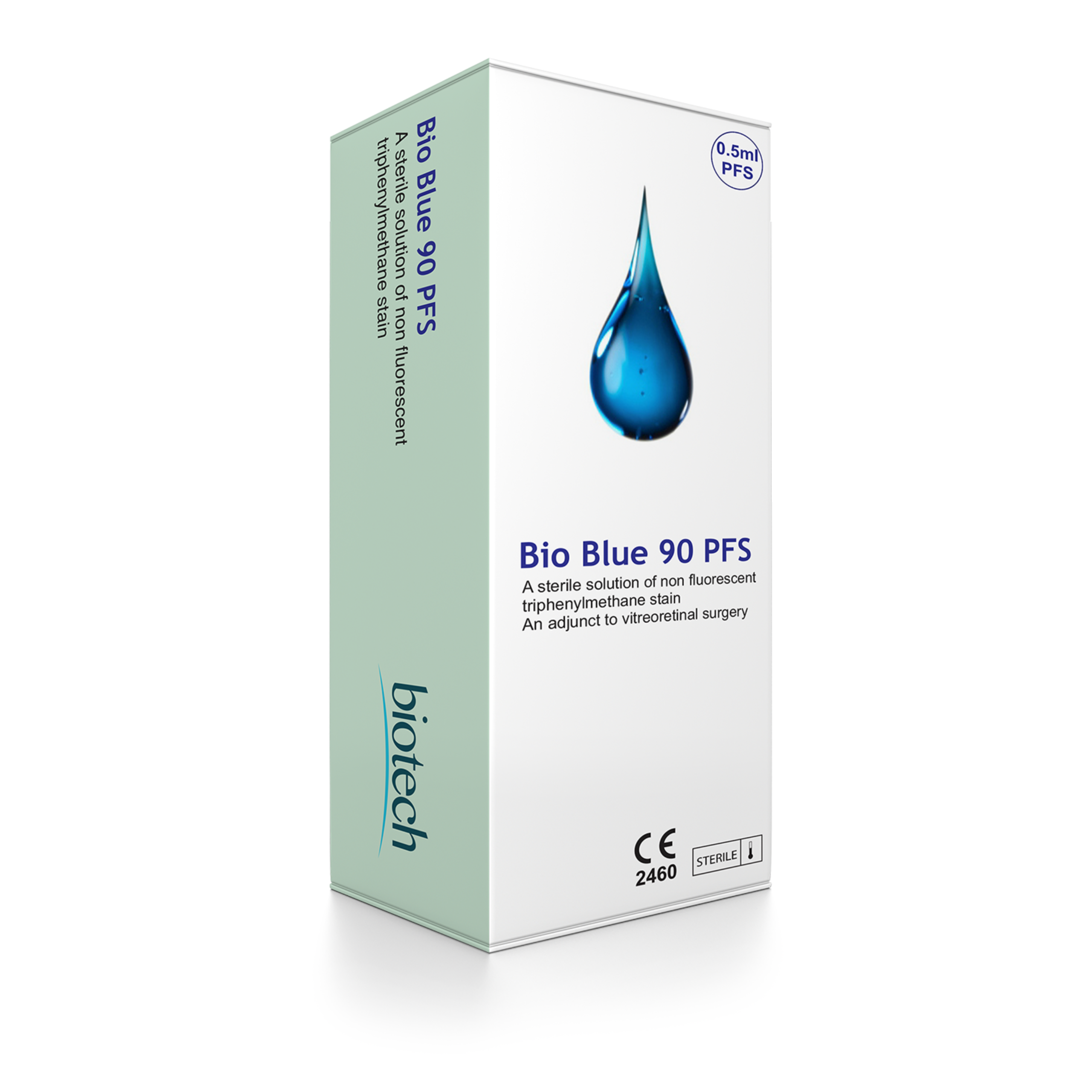
BIOBLUE 90-ACID BLUE 90
What is The Ophthalmic Viscosurgical Devices?
Ophthalmic Viscosurgical Devices (OVDs) are specialized substances utilized in various eye surgeries, particularly in cataract surgery and intraocular lens (IOL) implantation. These substances, also known as viscoelastic materials, are formulated to exhibit specific properties that are critical for successful surgical outcomes. Derived from natural sources such as the umbilical cord or synthesized from materials like cotton and wood, OVDs embody high molecular weight polymers like sodium hyaluronate and chondroitin sulfate. Referred to as viscoelastic substances due to their combined viscous and elastic properties, they’re aptly named for their role in maintaining surgical space and protecting the delicate corneal endothelium.
What is the function of the OVDs?
Ophthalmic Viscosurgical Devices (OVDs) fulfill various functions in eye surgery, notably during procedures like cataract surgery and intraocular lens (IOL) implantation. These functions include
- Maintaining space in the anterior chamber, protecting the corneal endothelium, and reducing intraocular pressure fluctuations.
- OVDs also aid in implementing specialized techniques such as the soft shell technique, where layers of OVDs are used to optimize surgical outcomes. This technique helps provide clarity, control surface tension, and ensure a clear surgical field.
- OVDs serve as essential tools in eye surgery, facilitating precision, safety, and optimal surgical outcomes.
Types of OVDs
Cohesive OVDs:
Cohesive OVDs are formulated using high molecular weight polymers like sodium hyaluronate and chondroitin sulfate. They exhibit cohesive properties, meaning they tend to stick together. These OVDs are crucial for maintaining space within the anterior chamber during eye surgeries, such as cataract surgery and IOL implantation. By forming a cohesive mass, they assist in stabilizing the surgical environment and facilitating precise surgical maneuvers.
Dispersive OVDs:
Dispersive OVDs, characterized by lower molecular weights, spread out more easily within the anterior chamber. Dispersive OVDs have a lower viscosity compared to cohesive ones. They are particularly effective in coating and protecting delicate eye tissues, such as the corneal endothelium, during surgical procedures Dispersive OVDs typically have longer chain lengths, which contribute to their adhesive properties. They help reduce surface tension in the anterior chamber, enhancing surgical precision and minimizing the risk of tissue damage during intraocular maneuvers.
Viscoadaptive OVDs:
Viscoadaptive OVDs combine the properties of both cohesive and dispersive OVDs. They adapt to the dynamic surgical environment, providing tailored support for tissue manipulation and space maintenance as needed during eye surgery. Viscoadaptive OVDs offer versatility and flexibility, allowing surgeons to adjust the viscosity and elasticity of the OVD to suit the requirements of different surgical procedures and patient needs.
Higher Viscosity Dispersive OVDs:
Higher viscosity dispersive OVDs represent a specialized category of OVDs with increased viscosity compared to traditional dispersive OVDs. Higher viscosity dispersive OVDs are particularly useful in managing challenging surgical situations. These OVDs offer enhanced tissue protection and space maintenance, especially in complex surgical scenarios such as cataract surgery with compromised anterior chamber stability. By providing greater stability and support, higher viscosity dispersive OVDs help minimize the risk of intraoperative complications and optimize surgical outcomes.
What are the Benefits of OVDs?
- Maintaining Space: OVDs ensure adequate space within the anterior chamber during eye surgeries such as cataract surgery and IOL implantation. This maintenance of space allows for better visualization of intraocular structures and facilitates precise surgical maneuvers.
- Protecting the Corneal Endothelium: The corneal endothelium is essential for maintaining corneal transparency and visual acuity. OVDs act as protective barriers, shielding the delicate corneal endothelium from mechanical trauma during surgical manipulation, thus reducing the risk of postoperative complications such as corneal edema and endothelial cell loss.
- Stabilizing Intraocular Pressure (IOP): Fluctuations in intraocular pressure (IOP) can occur during eye surgeries, potentially leading to complications such as corneal decompensation and glaucoma. OVDs help stabilize IOP by maintaining a consistent intraocular environment, minimizing the risk of such complications and promoting better visual outcomes for patients.
- Enhancing Surgical Precision: OVDs create a stable and controlled surgical environment, enhancing surgical precision and minimizing the risk of intraoperative complications. Surgeons can perform delicate maneuvers with confidence, knowing that the anterior chamber is adequately maintained and protected by the viscoelastic properties of OVDs.
What are the advantages of OVDs?
- Versatility: OVDs come in various formulations to suit different surgical requirements and patient needs. They can be tailored to specific surgical techniques and preferences, offering versatility in application across a wide range of ophthalmic procedures.
- Safety: When used appropriately by experienced surgeons, OVDs have a well-established safety profile, with minimal risk of adverse effects. This safety profile is attributed to the biocompatibility and inertness of the materials used in OVD formulations, ensuring compatibility with ocular tissues and minimizing the risk of allergic reactions or other adverse events.
- Improved Surgical Outcomes: By facilitating smoother surgical procedures and minimizing complications, OVDs contribute to improved surgical outcomes and patient satisfaction. Patients undergoing eye surgery with the assistance of OVDs often experience faster recovery times and better visual rehabilitation, leading to enhanced overall quality of life.
- Optimized Visual Rehabilitation: OVDs play a crucial role in optimizing visual outcomes for patients undergoing eye surgery, particularly cataract surgery and IOL implantation. By creating an optimal surgical environment and minimizing the risk of complications, OVDs help ensure that patients achieve the best possible visual acuity and quality of vision postoperatively.
What are the side effects of OVDs?
The use of Ophthalmic Viscosurgical Devices (OVDs) in eye surgery is generally considered safe, but they may be associated with certain side effects. Common side effects include transient increases in intraocular pressure (IOP) during and after surgery, which typically resolve spontaneously or with appropriate management. Temporary corneal edema or cloudiness may also occur, affecting visual acuity in the immediate postoperative period but usually resolving with time. Rare instances of allergic reactions to components like sodium hyaluronate may necessitate careful patient screening. Postoperative inflammation or discomfort may occur, although it is typically mild and self-limiting.
Are OVDs Safe?
When used correctly by skilled surgeons, Ophthalmic Viscosurgical Devices (OVDs) are generally safe. They’ve been extensively studied and have few risks. However, like any medical intervention, they carry inherent risks and potential side effects that must be weighed against the benefits. It is imperative for surgeons to adhere to established protocols and guidelines for the selection, administration, and monitoring of OVDs during surgical procedures.
What Are DYES For Cataract Surgery?
DYES for cataract product range refer to specialized colorants or staining agents utilized during cataract surgery. DYES for cataract product range are pharmaceutical products designed to aid ophthalmologists in visualizing and distinguishing specific tissues within the eye during the surgical intervention. These dyes are formulated to be safe for intraocular use and are integral to modern cataract surgical techniques. These dyes are crucial components of the cataract product range.
What is The Function of DYES For Cataract Surgery?
The function of dyes for cataract product range is multifaceted. These dyes serve primarily to enhance the visualization of intraocular structures during cataract surgery. By selectively staining specific tissues or anatomical features within the eye, such as the anterior capsule or residual lens material, dyes enable surgeons to identify and navigate delicate structures with precision. This enhanced visualization facilitates safer and more effective cataract removal and intraocular lens implantation, ultimately improving surgical outcomes and patient satisfaction.
What are The Uses of DYES For Cataract Surgery
The uses of dyes for cataract product range primarily involve enhancing visualization during surgical procedures. Dyes aid in staining specific intraocular structures, facilitating their identification and removal. By providing high-contrast staining, dyes enable surgeons to perform precise maneuvers, including capsulorhexis and lens fragmentation. Additionally, dyes assist in the placement and centration of intraocular lenses, ensuring optimal positioning and visual outcomes for patients postoperatively.
How Many Types of DYES are there?
- Acid Dyes: Acid dyes are water-soluble dyes primarily used for protein-based fibers such as wool, silk, and nylon. These dyes form ionic bonds with the protein molecules in the fibers, resulting in vibrant and long-lasting colors. Acid dyes are versatile and offer a wide range of colors, making them suitable for various applications in the textile and medical industries.
- Vat Dyes: Vat dyes are insoluble in water and are primarily used for cellulose-based fibers such as cotton and linen. These dyes require a reduction process to become soluble and bind to the fibers. Vat dyes are known for their excellent color fastness and resistance to fading, making them suitable for applications where durability is essential.
- Synthetic Dyes: Synthetic dyes are organic compounds synthesized through chemical processes. These dyes offer a wide range of colors, shades, and properties, making them versatile for diverse applications in textiles, cosmetics, food, and medicine. Synthetic dyes are widely used in the cataract product range due to their predictable performance and availability in various formulations.
- Natural Dyes: Natural dyes are derived from plant, animal, or mineral sources and have been used since ancient times to impart color to textiles and other materials. Examples of natural dyes include indigo, cochineal, and turmeric. While natural dyes offer a sustainable and environmentally friendly alternative to synthetic dyes, they may exhibit variability in color intensity and stability.
- Reactive Dyes: Reactive dyes chemically react with specific components within the fibers, resulting in a covalent bond between the dye molecules and the fiber molecules. This chemical bonding process ensures excellent color fastness and wash resistance, making reactive dyes suitable for applications where durability is paramount. Reactive dyes are commonly used in the textile industry for dyeing cotton, wool, and silk fibers.
- Basic Dyes: Basic dyes are cationic dyes that form electrostatic bonds with the negatively charged sites on the fiber molecules. These dyes are commonly used for staining biological tissues and are employed in medical applications such as histology and ophthalmic surgery. Basic dyes offer high staining intensity and are particularly useful for enhancing contrast and visualization during surgical procedures such as cataract surgery.
What are The Benefits of DYES For Cataract Surgery?
The benefits of using dyes are significant:
- Enhanced visualization of intraocular structures, facilitated by dyes, ensures more precise surgical maneuvers, reducing the risk of intraoperative complications.
- Dyes facilitate the identification and removal of residual lens material, minimizing the likelihood of postoperative complications.
- Additionally, dyes contribute to the accurate placement and centration of intraocular lenses, ensuring optimal visual outcomes.
- Their versatility in complex surgical cases and ability to improve overall surgical precision lead to enhanced patient satisfaction and improved quality of vision postoperatively.
What are The Side Effects of DYES For Cataract Surgery?
The side effects of dyes for cataract product range are minimal but can include allergic reactions to dye components, transient elevation of intraocular pressure post-injection, and rare instances of ocular toxicity. Allergic reactions may manifest as ocular inflammation or systemic allergic responses. Transient elevation of intraocular pressure requires monitoring to prevent complications. Additionally, prolonged or excessive use of certain dyes may lead to ocular toxicity, although such occurrences are rare. While side effects are generally uncommon, it’s crucial for surgeons and patients to be aware of potential risks associated with dye-assisted cataract surgery to ensure appropriate management and mitigate adverse outcomes.
What are The Advantages of DYES For Cataract Surgery?
- Enhanced Visualization: Dyes aid in staining specific intraocular structures, such as the anterior capsule and residual lens material, enhancing their visibility during surgery. This improved visualization enables surgeons to perform precise maneuvers and ensures thorough removal of cataracts.
- Precision Surgery: By providing high-contrast staining, dyes enable surgeons to identify and differentiate between target and non-target tissues with greater accuracy. This precision reduces the risk of intraoperative complications and improves the overall safety of the surgical procedure.
- Improved Surgical Outcomes: The use of dyes allows for more effective removal of cataracts and residual lens material, minimizing the risk of postoperative complications such as capsular opacification and inflammation. This results in better visual outcomes and faster recovery times for patients.
- Facilitated Intraocular Lens Placement: Dyes assist in the placement and centration of intraocular lenses, ensuring optimal positioning for improved visual acuity and reduced risk of complications such as decentration or dislocation.
- Flexibility in Surgical Approach: Dyes provide surgeons with greater flexibility in navigating challenging surgical cases, such as those involving dense cataracts or complex anatomical structures. This flexibility allows for customized surgical approaches tailored to individual patient needs.
Are DYES Safe?
Overall, dyes used in the cataract product range are considered safe when administered by experienced ophthalmic surgeons in appropriate concentrations and dosages. However, as with any medical intervention, there are inherent risks associated with their use. To mitigate these risks, surgeons must adhere to established protocols and guidelines regarding dye administration and intraocular surgery. Additionally, patients should undergo thorough preoperative evaluation to assess their suitability for dye-assisted cataract surgery and be informed of the potential risks and benefits associated with the procedure.
What is DYES For Vitreoretinal Surgery?
DYES for the vitreoretinal surgery are advanced pharmaceutical products specifically formulated for ophthalmic procedures targeting the vitreoretinal area. These specialized colorants or staining agents are meticulously designed to enhance visualization, aid in precise surgical maneuvers, and contribute to accurate diagnoses of vitreoretinal disorders. They play a crucial role in staining specific retinal tissues and membranes, allowing surgeons to navigate delicate structures with precision during retinal surgeries and diagnostic assessments. DYES for the vitreoretinal surgery are integral components of modern ophthalmic practice, enabling enhanced visualization and improved outcomes in vitreoretinal procedures.
What are The Functions of DYES For Vitreoretinal Surgery?
The function of DYES for vitreoretinal surgery is multifaceted, encompassing crucial roles in both surgical interventions and diagnostic procedures targeting the vitreoretinal area.
- These specialized colorants or staining agents serve to enhance visualization by selectively staining specific retinal tissues and membranes during ophthalmic procedures.
- By providing optimal contrast and visibility, these dyes enable surgeons to identify and navigate delicate structures with precision during vitreoretinal surgeries.
- The primary function of DYES for vitreoretinal surgery is to optimize visualization, thereby contributing to improved surgical outcomes and diagnostic accuracy in vitreoretinal procedures.
- Their versatility and effectiveness make them indispensable tools in modern ophthalmic practice, enhancing the quality of care provided to patients with vitreoretinal conditions.
What Are The Uses of DYES For Vitreoretinal Surgery?
DYES for vitreoretinal surgery find application in a variety of ophthalmic procedures, each contributing to enhanced visualization and accurate diagnosis.
- During retinal surgeries, these dyes facilitate the staining of internal limiting membranes and epiretinal membranes, allowing surgeons to navigate and manipulate with increased precision.
- DYES for vitreoretinal surgery are essential in enhancing visualization and facilitating accurate diagnoses, thereby improving patient outcomes and guiding appropriate treatment strategies in the management of vitreoretinal conditions.
How Many Types of DYES For Vitreoretinal Surgery?
Within the realm of ophthalmology and the vitreoretinal product range, various types of dyes serve distinct purposes. Vital dyes, including trypan blue and brilliant blue, are commonly used in retinal surgeries to stain specific retinal membranes. Fluorescein and indocyanine green, on the other hand, are essential for diagnostic angiography procedures. The diversity in dye types allows for a tailored approach based on the specific requirements of the vitreoretinal procedure at hand.
- Acid Dyes: Acid dyes are water-soluble dyes primarily used for protein-based fibers such as wool, silk, and nylon. These dyes form ionic bonds with the protein molecules in the fibers, resulting in vibrant and long-lasting colors. Acid dyes are versatile and offer a wide range of colors, making them suitable for various applications in the textile and medical industries.
- Vat Dyes: Vat dyes are insoluble in water and are primarily used for cellulose-based fibers such as cotton and linen. These dyes require a reduction process to become soluble and bind to the fibers. Vat dyes are known for their excellent color fastness and resistance to fading, making them suitable for applications where durability is essential.
- Synthetic Dyes: Synthetic dyes are organic compounds synthesized through chemical processes. These dyes offer a wide range of colors, shades, and properties, making them versatile for diverse applications in textiles, cosmetics, food, and medicine. Synthetic dyes are widely used in the vitreoretinal product range due to their predictable performance and availability in various formulations.
- Natural Dyes: Natural dyes are derived from plant, animal, or mineral sources and have been used since ancient times to impart color to textiles and other materials. Examples of natural dyes include indigo, cochineal, and turmeric. While natural dyes offer a sustainable and environmentally friendly alternative to synthetic dyes, they may exhibit variability in color intensity and stability.
- Reactive Dyes: Reactive dyes chemically react with specific components within the fibers, resulting in a covalent bond between the dye molecules and the fiber molecules. This chemical bonding process ensures excellent color fastness and wash resistance, making reactive dyes suitable for applications where durability is paramount. Reactive dyes are commonly used in the textile industry for dyeing cotton, wool, and silk fibers.
- Basic Dyes: Basic dyes are cationic dyes that form electrostatic bonds with the negatively charged sites on the fiber molecules. These dyes are commonly used for staining biological tissues and are employed in medical applications such as histology and ophthalmic surgery. Basic dyes offer high staining intensity and are particularly useful for enhancing contrast and visualization during surgical procedures.
What are The Benefits of DYES For Vitreoretinal Surgery?
Dyes in the vitreoretinal product range offer crucial advantages in ophthalmic procedures. They enhance visualization during surgery, enabling precise identification and manipulation of retinal structures. These dyes aid in diagnosis by highlighting retinal abnormalities during angiography, guiding treatment decisions effectively. By minimizing intraoperative complications and maximizing surgical precision, dyes contribute to improved outcomes and patient satisfaction. Ultimately, their use in vitreoretinal procedures enhances safety, facilitates accurate diagnoses, and leads to better visual results, affirming their indispensable role in modern ophthalmology.
What are The Side Effects of DYES For Vitreoretinal Surgery?
While the side effects of dyes for vitreoretinal surgery are generally minimal, it is essential to acknowledge potential risks associated with their use. Allergic reactions to dye components may manifest as ocular inflammation or, in rare instances, systemic allergic responses. Transient changes in intraocular pressure following dye injection require monitoring to prevent complications. Prolonged or excessive use of certain dyes may lead to ocular toxicity, although such occurrences are rare. It is crucial for surgeons and patients to be aware of these potential risks to ensure appropriate management and mitigate adverse outcomes associated with vitreoretinal procedures.
What are The Advantages of DYES DYES For Vitreoretinal Surgery?
- Enhanced Visualization: Dyes within the vitreoretinal product range improve the visibility of retinal structures during surgery and diagnostic procedures.
- Improved Surgical Precision: Dyes enable surgeons to perform more accurate and controlled maneuvers, minimizing the risk of damage to surrounding tissues.
- Facilitated Diagnosis: Dyes aid in the diagnosis of vitreoretinal disorders by highlighting abnormalities in retinal vasculature and pathology.
- Customized Treatment Approach: Different types of dyes allow for a tailored approach to ophthalmic care, optimizing treatment outcomes.
- Reduced Complications: By enhancing visualization and precision, dyes help reduce the risk of intraoperative complications, leading to smoother surgeries.
Are What DYES Safe?
Overall, dyes used in vitreoretinal procedures are considered safe when administered by experienced ophthalmic surgeons following established protocols. However, as with any medical intervention, there are inherent risks associated with their use. To ensure safety, surgeons must adhere to established guidelines regarding dye administration and intraocular surgery. Thorough preoperative evaluations are essential to assess patients’ suitability for vitreoretinal procedures and to identify any potential contraindications or allergic reactions to dye components. By incorporating safety measures and adhering to best practices, surgeons can minimize risks and ensure the safety and efficacy of vitreoretinal procedures involving dyes.